Successful treatment of enlarged prostate symptoms often stalls because deep pelvic stromal tissue becomes locked in a cycle of venous congestion, localized oxygen starvation, and chronic smooth muscle tension. Targeted 960nm photobiomodulation (PBM) penetrates through dense perineal tissue and pelvic fascia to stimulate mitochondrial energy synthesis and nitric oxide micro-dilation, offering a non-invasive holistic treatment for prostate enlargement at home. Unlike oral alpha-blockers or hormone-suppressing drugs that carry systemic blood pressure and sexual side effects, near-infrared light imposes zero hepatic or renal metabolic burden, operating purely through natural photochemical absorption inside congested pelvic cells.
The Daily Friction of Interrupted Sleep and Pelvic Pressure
For men navigating benign prostatic enlargement, the disruption rarely feels like an acute emergency—instead, it chips away at rest, focus, and daily confidence. Waking up at 1:30 AM, 3:45 AM, and 5:20 AM with a pressing urge to urinate, only to stand over the toilet waiting for a hesitant, weak stream that starts and stops, turns restorative sleep into a nightly obstacle course.
By afternoon, cumulative sleep deprivation dulls concentration during meetings, while a dull, heavy pressure builds deep behind the scrotum after sitting in traffic or working at a desk. When men evaluate enlarged prostate treatment options, they quickly encounter an uncomfortable trade-off between urinary relief and unwanted side effects:
Alpha-Adrenergic Blockers (e.g., Tamsulosin, Alfuzosin): These drugs relax smooth muscle fibers around the bladder neck within days, yet they frequently trigger orthostatic dizziness upon standing, nasal stuffiness, generalized fatigue, and retrograde ejaculation.
5-Alpha Reductase Inhibitors (e.g., Finasteride, Dutasteride): Intended to shrink glandular volume by blocking dihydrotestosterone (DHT) conversion, these prescriptions require six to twelve months of continuous use and carry well-documented risks of lowered libido and erectile difficulties.
Warm Sitz Baths and Electric Heating Pads: Soaking in warm water relaxes superficial perineal skin briefly, but conductive surface warmth drops off within a few millimeters and fails to reach the encapsulated prostate gland tucked beneath the bladder.
Over-the-Counter Herbal Formulas: Saw palmetto, beta-sitosterol, and pumpkin seed extracts are widely marketed for urinary comfort, yet inconsistent gastrointestinal absorption and variable active-compound standardization leave many men with minimal measurable change in urinary flow.
Inside the Prostatic Capsule: The Cellular Gridlock Behind Swelling
To see why surface remedies fall short, look closely at pelvic anatomy. Enclosed inside a tough fibro-muscular capsule deep below the bladder base, the prostate gland sits at the crossroads of dense venous plexuses and fine arteriolar networks that regulate tissue fluid balance.
Years of prolonged sitting, age-related hormonal shifts, and low-grade pelvic floor tension reinforce prostatic congestion through three interlocking physiological bottlenecks:
Pelvic Venous Outflow Resistance: Extended sitting compresses the perineal veins responsible for draining blood away from the prostate. Pooled venous blood elevates internal hydrostatic pressure inside the prostatic capsule, producing that unmistakable heavy, bruised ache in the lower pelvis.
Localized Stromal Hypoxia: Sluggish capillary turnover deprives glandular and smooth muscle cells of fresh oxygen. Oxygen-starved cells release inflammatory cytokines and prostaglandins that draw excess fluid into interstitial spaces, further compressing the prostatic urethra.
Chronic Smooth Muscle Hypertonicity: Irritated sensory nerve endings keep smooth muscle fibers inside the bladder neck and prostatic stroma in a state of continuous low-grade spasm, causing urinary hesitancy, weak flow force, and the lingering sensation of incomplete bladder emptying.
Temporarily numbing nerve signals or forcing systemic blood vessels open with daily pills does not restore the depleted cellular energy reserves required for congested stromal tissue to pump out excess fluid and relax naturally.
Optical Physics: Why 960nm Near-Infrared Reaches Deep Pelvic Tissue
When comparing non-pharmacological enlarged prostate treatment options, optical wavelength determines whether photons actually reach the prostatic capsule or scatter harmlessly at the skin surface. Visible red LEDs (630nm to 660nm) are rapidly absorbed by epidermal melanin and dermal hemoglobin within the top 2 to 4 millimeters of skin.
The 960nm near-infrared wavelength occupies a deep optical penetration window suited for dense pelvic structures. Because photon scattering drops substantially in this near-infrared region, concentrated light positioned against the perineum passes cleanly through perineal skin, subcutaneous fat, and pelvic floor musculature to reach the prostatic capsule located 20mm to 35mm beneath the surface.
Once 960nm photons interact with congested prostatic and vascular cells, they drive a well-characterized photochemical cascade:
Cytochrome c Oxidase Activation: Photons are absorbed by Cytochrome c Oxidase (CcO) inside the mitochondria of hypoxic stromal and endothelial cells. Light energy dissociates inhibitory nitric oxide bound to CcO, allowing normal oxygen consumption to resume.
Mitochondrial ATP Restoration: With electron transport unblocked, cells accelerate Adenosine Triphosphate (ATP) synthesis. Restored ATP levels power cellular ion pumps that move trapped interstitial water out of swollen tissue while allowing hypertonic smooth muscle fibers to release.
Endogenous Nitric Oxide Vasodilation: Released nitric oxide diffuses into adjacent pelvic arterioles and venules, gently widening microvascular diameter. Improved local blood flow clears accumulated inflammatory byproducts via lymphatic drainage while restoring oxygen supply to both prostatic and erectile vasculature.
In modern physical medicine and rehabilitation engineering, photobiomodulation is a dose-dependent biophysical intervention governed by calibrated irradiance and energy density—fundamentally distinct from passive surface heat.
Objective Multi-Dimensional Comparison: At-Home Prostate Care Options
Comparing how standard interventions perform across tissue penetration, cellular mechanism, side-effect profile, and annual expense clarifies which strategy supports sustainable daily management.
Evaluation Dimension
Oral Medications (Alpha-Blockers / 5-ARIs)
Warm Sitz Baths & Standard 660nm Red Light
Targeted 960nm Deep Photobiomodulation
Tissue Penetration Depth
Systemic vascular delivery via bloodstream; reaches prostate chemically while affecting entire cardiovascular system.
1mm to 4mm maximum; surface water warmth or shallow red light dissipates long before reaching the prostatic capsule.
20mm to 35mm+ effective optical reach through perineal tissue and pelvic floor fascia directly to the prostate.
Brief superficial skin vasodilation via conductive heat; negligible mitochondrial activation in deep pelvic organs.
Stimulates Cytochrome c Oxidase, restores cellular ATP output, and promotes gentle nitric oxide micro-dilation.
Side Effect & Dependency Risk
Lightheadedness, retrograde ejaculation, reduced libido, fatigue, nasal stuffiness, and symptom return upon stopping.
Minimal risk; frequent hot baths require cumbersome prep and can temporarily lower sperm motility.
Non-pharmacological and non-habit forming; produces mild, soothing warmth with zero systemic hormone or BP impact.
Home Usability
Quick daily pill, but requires ongoing medical visits, prescription refills, and side-effect compromises.
Time-consuming tub setup and cleanup; flat LED mats cannot contour effectively against perineal anatomy.
Compact handheld ergonomic profile allows focused 10-minute perineal or suprapubic use while relaxing at home.
Cost Over 1 Year
$210 – $760+ annually across pharmacy copays, specialist follow-ups, and ancillary urinary supplements.
$150 – $300 for consumer red light pads lacking the optical depth needed for deep pelvic anatomy.
One-time device purchase (~$150 – $250) lasting multiple years with zero recurring consumable costs.
Clinical & At-Home Observation Log: 960nm Photobiomodulation in Practice
To ground these optical mechanics in practical outcomes, the table below pairs clinical cohort tracking metrics with a documented multi-week home recovery record from an adult male managing symptomatic benign prostatic enlargement.
Grade II benign prostatic enlargement (transabdominal ultrasound volume: 43 mL; PSA stable at 1.7 ng/mL); baseline IPSS: 18/35; nocturia 3–4x/night.
Intervention Protocol
960nm targeted near-infrared emitter applied to perineal midline; 12 minutes per session, 5 days/week for 6 weeks.
960nm handheld photobiomodulation device applied 10 minutes over the perineum and 5 minutes over the lower suprapubic area nightly before sleep.
Week 1–2 Data Changes
35% average reduction in perineal heaviness and post-void dribbling; smoother stream initiation noted by Day 10.
Late-afternoon perineal ache dropped from 6.5/10 to 3/10 by Day 11; nighttime bathroom awakenings decreased from 3–4 times to 1–2 times per night.
Week 3–4 Data Changes
Mean IPSS score improvement of 6.5 points; higher single-void volume and longer daytime intervals between restroom stops.
IPSS score improved from 18 to 10; daytime restroom intervals stretched from 85 minutes to nearly 3 hours; noticeably stronger, uninterrupted morning stream.
Follow-Up & Maintenance
Transitioned to 3 maintenance sessions weekly; 82% sustained symptom control at 90-day check-in without drug escalation.
Maintained 3 evening sessions per week (10 minutes); sleeping in uninterrupted 6.5-hour blocks and resumed weekend cycling without pelvic discomfort.
Honest Boundaries: What It Feels Like, Ideal Users, and Safety Limits
Transparent clinical guidance requires explaining both the physical sensation of treatment and the exact medical boundaries where professional intervention takes priority.
Sensory Experience During a Session
Unlike low-powered red LEDs that produce no noticeable thermal feedback, concentrated 960nm near-infrared light interacts gently with tissue water and local microcirculation. During a 10-minute session, you will feel a steady, comforting, deeply penetrating warmth spreading through the perineal and pelvic floor region. There is no electrical tingling, vibration, stinging, or sharp surface heat. Resting the emitter cleanly against thin cotton underwear or bare skin produces a calm, muscle-relaxing sensation that eases pelvic floor tightness before bed.
Who Stands to Benefit Most
Men dealing with early-to-moderate prostatic congestion, weak stream velocity, or frequent nighttime awakenings who want a conservative holistic treatment for prostate enlargement without sexual or blood-pressure side effects.
Desk-bound professionals, frequent drivers, and older adults experiencing sedentary pelvic venous pooling and perineal heaviness.
Men looking to support healthy urogenital microcirculation and pelvic floor relaxation alongside routine urological care.
Medical Contraindications and Precautions
Always observe clear safety boundaries when applying deep-penetrating near-infrared light to the pelvic region:
Suspected or Active Prostate Malignancy: Never apply photobiomodulation over known or undiagnosed cancerous lesions. Maintain routine PSA screening and urological exams to confirm benign enlargement before starting home sessions.
Acute Urinary Retention: Sudden inability to pass urine accompanied by severe lower abdominal pain is a urological emergency requiring immediate in-person medical care.
Acute Bacterial Prostatitis: High fever, chills, painful burning urination, or cloudy discharge indicate an active bacterial infection requiring prompt antibiotic therapy rather than standalone home light therapy.
Implanted Pelvic Electronic Devices: Avoid direct placement over sacral neuromodulators or implanted medical electronics without explicit clearance from your specialist.
Physiological Recovery Timeline and the Economics of Home Ownership
Deep stromal fluid clearance and microvascular recovery progress across consistent weeks of stimulation rather than overnight shortcuts.
The 4-Week Physiological Progression
Weeks 1–2 (Venous Decongestion & Smooth Muscle Relaxation): As 960nm photons restore nitric oxide signaling, stagnant venous blood drains more freely from the prostatic plexus. The heavy ache after sitting eases first, and bladder-neck relaxation typically reduces nighttime bathroom trips by one or two awakenings.
Weeks 3–4 (Stromal Edema Reduction): Sustained mitochondrial ATP synthesis helps swollen glandular tissue clear excess interstitial fluid, easing mechanical pressure on the prostatic urethra. Urinary stream force becomes steadier, post-void dribbling diminishes, and daytime urgency intervals lengthen.
Month 2 and Beyond (Preventive Vascular Maintenance): Stepping down to three 10-minute sessions per week maintains healthy pelvic microcirculation and prevents sedentary venous congestion from building back up.
Time and Cost Math: Clinic Visits vs. At-Home Care
Specialized men’s pelvic rehabilitation clinics offering clinical-grade near-infrared photobiomodulation typically charge $90 to $150 per session, requiring multiple weekly commutes and rigid scheduling. Completing a standard 12-visit protocol easily totals $1,100 to $1,800.
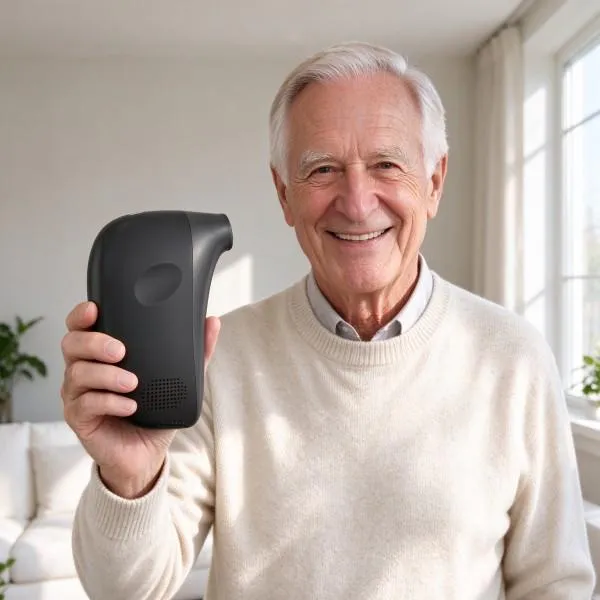
Keeping a dedicated handheld system like the NeuroLumaX Enlarged Prostate & Erectile Dysfunction Home Device (available directly at https://neurolumax.com/enlarged-prostate-erectile-dysfunction-treatment/) in your nightstand drawer brings calibrated 960nm wavelength depth into the privacy of your own bedroom. Built with focused wavelength output and an ergonomic profile designed for effortless perineal and suprapubic placement, a 10-minute session fits seamlessly into your evening routine—costing less than two clinic appointments while eliminating ongoing pharmacy refill costs.
1. Should I place the 960nm emitter against the perineum or above the pubic bone?
For optimal optical delivery to the prostate gland, prioritize the perineum (the soft tissue area between the scrotum and anus) for 10 minutes, as this provides the shortest anatomical path directly to the prostatic capsule. Adding 5 minutes just above the pubic bone (the suprapubic area) is a valuable secondary step that targets the bladder neck and lower pelvic floor muscles.
2. How soon do nighttime bathroom awakenings typically start decreasing?
While the gentle deep warmth relaxes pelvic floor muscle tension during your very first session, measurable reductions in nocturia usually appear between Days 10 and 21. That timeframe reflects the biological window needed for restored mitochondrial ATP and nitric oxide signaling to reduce interstitial fluid swelling around the prostatic urethra.
3. Can I use 960nm photobiomodulation while taking prescribed BPH medication?
Yes. Because 960nm near-infrared light works locally through cellular photochemistry rather than liver metabolism or systemic hormone receptors, it does not chemically interfere with alpha-blockers or 5-alpha reductase inhibitors. Many men pair home photobiomodulation with their prescribed regimen for 6 to 8 weeks before consulting their urologist about safely adjusting dosage.
Real User Experience: Sleeping Through the Night Without Pill Side Effects
“At 58, waking up three or four times every night was ruining my focus during audits and making long flights miserable because of that constant heavy pressure in my lower pelvis. My doctor put me on tamsulosin, and while my stream improved slightly, I felt dizzy every time I stood up too fast and noticed a frustrating drop in bedroom confidence. I started using a 960nm handheld light device every night before bed—ten minutes on the perineum while reading. The steady warmth felt great right away, almost like releasing a tight muscle knot I’d been carrying for years. By week three, I was sleeping six hours straight before waking up once, and the ache from sitting at my desk disappeared. After two months, my urologist cleared me to taper off the daily pills, and now I just use the light three nights a week to keep everything running smoothly.”
— Richard K., 58, Senior Financial Auditor (Verified Home User)
Moving Forward With Comfort and Restorative Sleep
Living with chronic prostatic congestion quietly erodes your daytime stamina, fractures deep sleep, and forces every outing to revolve around restroom access. You should not have to accept persistent pelvic heaviness or trade urinary comfort for dizziness, fatigue, and sexual side effects.
By delivering targeted 960nm near-infrared light directly to deep pelvic tissues—recharging cellular ATP, easing smooth muscle tension, and restoring healthy nitric oxide circulation—photobiomodulation offers a practical, drug-free path back to uninterrupted nights and comfortable daily movement.
Adhesive capsulitis persists because progressive fibroblastic proliferation thickens the glenohumeral capsule, cutting off microvascular perfusion and creating an ischemic, fibrotic contracture deep within the joint. While online searches often hu...
Idiopathic peripheral facial paralysis lingers because inflammatory swelling traps the seventh cranial nerve inside the rigid, narrow Fallopian canal, creating a severe microvascular and metabolic bottleneck. When navigating supportive bell palsy ...
Chronic outer elbow pain and forearm weakness linger when the common extensor origin undergoes localized collagen degeneration, microvascular collapse, and deep tissue hypoxia rather than resolving on its own. Targeted 960nm photobiomodulation (PB...
 Handheld Home-Use Therapy Device