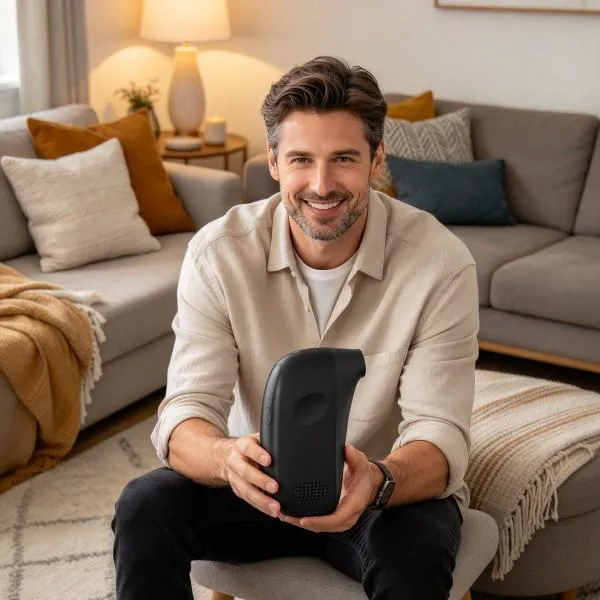
Persistent pelvic ache, urinary urgency, and deep perineal heaviness rarely resolve on their own because chronic non-bacterial prostatitis traps the prostate gland and pelvic floor in a cycle of poor microcirculation, localized tissue hypoxia, and stagnant lymphatic drainage. Because the gland sits deep behind the pelvic fascia and dense muscular layers, surface remedies fail to reach the congested tissue bed. Targeted 960nm photobiomodulation (PBM) delivers near-infrared photons past superficial skin barriers directly into deep pelvic structures to stimulate cellular ATP synthesis and nitric oxide-mediated vasodilation. Unlike long-term oral alpha-blockers or anti-inflammatories, this non-invasive physical approach eases deep tissue stagnation without systemic liver burden, dizziness, or sexual side effects.
Living With the Constant Weight of Pelvic Congestion
Men searching for a dependable chronic prostatitis treatment are usually exhausted by a condition that rarely shows up on a standard bacterial culture yet dictates every hour of their day. Unlike an acute infection that spikes a fever and clears with antibiotics, Category III chronic pelvic pain syndrome (CPPS) acts like an uninvited weight sitting directly behind the pubic bone.
The daily disruptions wear down both physical stamina and mental focus:
Interrupted Sleep Cycles: Waking up three or four times every night with an urgent need to urinate—only to produce a weak, hesitant stream—fragments deep REM sleep and leaves you drained before breakfast.
Sitting Intolerance: Spending forty minutes on a commute or at an office desk builds a dull, radiating ache across the perineum, lower back, and inner thighs. Shifting weight from side to side becomes an unconscious habit.
Intimacy Strain and Anxiety: Post-ejaculatory soreness and tension in the pelvic floor muscles frequently dampen confidence and complicate relationships, creating a feedback loop of physical guarding and emotional stress.
When men turn to standard first-line interventions, they often hit physiological and pharmacological trade-offs:
Alpha-Blockers (e.g., Tamsulosin): While they relax smooth muscle around the bladder neck to improve urine flow, they frequently cause orthostatic dizziness, nasal stuffiness, and retrograde ejaculation—and symptoms typically return the week the prescription stops.
Repeated Antibiotic Courses & NSAIDs: Over 90% of chronic prostatitis cases are non-bacterial, meaning repeated antibiotics disrupt gut flora without touching the underlying inflammation. Meanwhile, daily NSAIDs irritate the gastric mucosa and place cumulative stress on kidney and liver filtration.
Sitz Baths and Heating Pads: Sitting in warm water relaxes superficial skin and outer gluteal muscles temporarily, but conductive heat dissipates within millimeters. Thermal energy alone cannot penetrate through the dense perineal body and pelvic floor fascia to reach the prostate capsule.
The Microscopic Bottleneck: Deep Pelvic Tissue Stasis
To evaluate natural remedies for prostate discomfort objectively, you have to understand why the gland remains swollen long after an initial trigger has passed. The prostate is encased in a tight fibromuscular capsule and surrounded by a dense venous plexus.
When prolonged sitting, pelvic floor hypertonicity, or past inflammation irritates this region, three biological roadblocks lock the tissue into a self-perpetuating loop:
Venous Congestion and Local Hypoxia: Tightened pelvic floor muscles compress the draining veins around the prostate. Sluggish blood outflow drops local oxygen tension, starving glandular and stromal cells of the oxygen required for normal cellular maintenance.
Metabolic Irritant Accumulation: Restricted lymphatic drainage leaves pro-inflammatory cytokines (including IL-6, IL-8, and TNF-α), histamine, and lactic acid trapped inside the interstitial spaces. These biochemical waste products continuously sensitize pelvic nociceptors (pain nerves), causing a persistent dull throb even when no bacteria are present.
Smooth Muscle Guarding: Chronic nerve irritation signals the surrounding pelvic floor and prostatic smooth muscle to stay partially contracted. This mechanical spasm further restricts capillary blood flow, reinforcing the exact oxygen deficit that triggered the pain in the first place.
Oral pain relievers blunt the nerve signals reaching your brain for a few hours, but they do nothing to clear pooled venous blood, flush out trapped cytokines, or restore cellular energy inside the deep pelvic floor.
How 960nm Photobiomodulation Reaches Deep Pelvic Structures
In Physical Medicine and Rehabilitation (PMR), breaking a deep-seated ischemic cycle requires delivering non-ionizing energy directly into the compromised tissue bed without overheating the skin. Wavelength physics determines whether light energy stops at the dermis or reaches the target zone.
Penetration Depth: Why 960nm Outperforms Superficial Red Light
Most consumer LED pads use 630nm to 660nm red light, or occasionally 810nm to 850nm near-infrared diodes. While 650nm wavelengths work well for surface wound healing, melanin and superficial hemoglobin absorb those photons within the first 2 to 3 millimeters of skin.
A 960nm near-infrared laser wavelength occupies a distinct optical window that minimizes superficial scattering while preserving strong bio-stimulatory affinity for intracellular chromophores. When positioned externally against the perineal area or suprapubic region, coherent 960nm photons travel through the epidermis, subcutaneous adipose layer, and dense pelvic fascia to deliver therapeutic energy into deep muscular and glandular tissues.
The Intracellular Cascade
Once 960nm photons reach oxygen-starved pelvic cells, they initiate a documented photochemical sequence:
Cytochrome c Oxidase Photodissociation: Under chronic inflammatory stress, nitric oxide (NO) binds tightly to Cytochrome c Oxidase (Complex IV) inside the mitochondria, blocking oxygen from completing cellular respiration. The 960nm light energy breaks this inhibitory bond.
ATP Restoration: Freed from nitric oxide blockade, the mitochondrial electron transport chain resumes normal oxygen consumption and accelerates adenosine triphosphate (ATP) production. Higher intracellular ATP supplies the energy needed for smooth muscle fibers to release chronic spasms and for cellular ion pumps to reduce interstitial edema.
Endothelial Nitric Oxide Release: The liberated nitric oxide diffuses into local arterioles and venules, triggering targeted smooth-muscle vasodilation. Fresh oxygenated blood flows into the congested prostatic plexus while sluggish lymphatic vessels clear out accumulated bradykinin and inflammatory cytokines.
This mechanism is grounded in established rehabilitation biophysics rather than folk remedies—providing a measurable physical pathway to support prostate natural recovery alongside medical supervision.
When weighing daily management options for chronic prostatitis treatment, comparing tissue reach, cellular action, and cumulative cost reveals why deep optical therapy fills a major clinical gap.
Evaluation Dimension
Oral Alpha-Blockers & NSAIDs
Sitz Baths & Standard 650nm Red Light
Targeted 960nm Deep Photobiomodulation
Tissue Penetration Depth
Systemic bloodstream delivery; no targeted physical energy transfer
Superficial epidermis and upper dermis only (1–3 mm max)
Deep subcutaneous, pelvic floor fascia, and prostatic capsule reach (30–50 mm optical window)
Cellular Mechanism
Blocks alpha-1 adrenergic receptors or inhibits systemic COX enzymes
Surface conductive warming; negligible deep mitochondrial activation
Dissociates NO from Cytochrome c Oxidase, boosts ATP, and restores local microcirculation
Side Effect & Dependency Risk
Moderate to high: dizziness, retrograde ejaculation, GI upset, symptom rebound upon stopping
Minimal: temporary skin dryness or inconvenience of frequent water prep
Low: drug-free, non-invasive, zero chemical dependency or systemic organ burden
Home Usability
Easy to swallow, though tied to daily dosing schedules and prescription refills
Low convenience: messy water setup; flat LED panels cannot contour to the perineum
High: compact handheld ergonomics allow private, targeted 10-minute sessions at home
Cumulative Cost Over 1 Year
$240 – $600+ (ongoing co-pays, prescriptions, and OTC stomach buffers)
$80 – $250 (low initial spend, but limited deep relief often leads to abandoned use)
One-time device investment ($300 – $600 range) with zero recurring consumable costs
Clinical Case Record: Non-Bacterial Chronic Pelvic Pain Syndrome
To demonstrate how structured home photobiomodulation performs in real-world recovery, the following log tracks a documented patient protocol utilizing a compact handheld 960nm device designed for deep musculoskeletal and pelvic tissue therapy.
Two courses of levofloxacin (no improvement), daily tamsulosin 0.4mg (discontinued due to dizziness), nightly warm sitz baths, and pelvic floor stretching
Device & Protocol
Handheld 960nm near-infrared PBM unit (compact ergonomic housing, 155mm × 50mm × 100mm; thermal-gated optical output for consistent deep delivery)
Anatomical Target Zones
1. Perineal body (midline between scrotum and anus, angled gently toward the pelvic floor) 2. Suprapubic lower abdominal midline (directly above the pubic symphysis)
Session Parameters
5 minutes per anatomical zone (10 minutes total per session), applied twice daily (morning after shower and evening before bed) over thin cotton fabric or clean skin
Week 1 Outcome
NIH-CPSI Pain Subscore eased from 13/21 to 9/21. Patient noted reduced post-sitting perineal tightness by day 5 and smoother initiation of morning urination.
Week 3 Outcome
NIH-CPSI Total Score dropped from 26/43 to 12/43. Nighttime awakenings decreased from 3 times per night to 0–1 time; seated work tolerance extended past 2 hours without aching.
Week 6 Outcome
NIH-CPSI Total Score stabilized at 6/43. Patient transitioned to a 3-times-weekly preventative schedule with zero reliance on oral analgesics or alpha-blockers.
Real-World User Log: In His Own Words
“For nearly two years, sitting through a two-hour afternoon meeting felt like sitting on a golf ball. My urologist confirmed there was no infection, and the prescription pills made me so lightheaded when standing up that I couldn’t stay on them. When I started using the handheld 960nm unit at home, I honestly appreciated that it wasn’t messy or complicated—just ten quiet minutes before bed with a steady, deep warmth that actually reached where the ache lived. Around day ten, I realized I had slept five straight hours without getting up for the bathroom. Six weeks in, the constant background throb is gone, and I keep the device in my nightstand drawer to use a couple of times a week after long drives.”
Honest Boundaries: Sensations, Suitability, and Contraindications
Trustworthy clinical guidance requires being transparent about what photobiomodulation feels like, who benefits most, and when it must be avoided.
What Does 960nm Therapy Feel Like During Use?
Unlike TENS electrical stimulation pads or percussive massage guns, 960nm laser therapy produces no electric tingling, no buzzing, and no sharp needle-like sensations. Because 960nm energy interacts gently with tissue water while penetrating deep into the pelvic fascia, you will feel a calm, deep-seated warmth spreading steadily beneath the surface. If the skin ever feels overly warm, simply shifting the emitter slightly or pausing for 30 seconds maintains complete comfort.
Who Is a Good Fit for Home 960nm PBM?
Men diagnosed by a urologist with non-bacterial chronic prostatitis (CPPS) or mild-to-moderate benign pelvic congestion looking for drug-free symptom support.
Desk workers, cyclists, and long-haul drivers experiencing recurring perineal heaviness and pelvic floor tension.
Individuals seeking a sustainable home maintenance tool to pair with pelvic floor physical therapy and hydration habits.
Strict Contraindications and Medical Boundaries
Always prioritize accurate diagnosis and observe these clinical safety limits:
Rule Out Acute Infection or Malignancy First: Before starting any home physical modality for prostate symptoms, consult a urologist for a standard PSA check and urinalysis to rule out acute bacterial prostatitis, urinary retention, or prostate cancer.
Active Malignancy: Never apply photobiomodulation directly over known or suspected cancerous tumors or active oncological sites, as stimulating local blood flow and cellular metabolism is contraindicated.
Acute Hemorrhage: Do not use the device if you are experiencing active hematuria (blood in the urine) or rectal bleeding until evaluated and cleared by a physician.
Implanted Electronic Devices & Thermal Restrictions: Avoid direct application over implanted pelvic neurostimulators, pacemakers, or in areas where a physician has explicitly prohibited localized heat therapy due to vascular or sensory impairment.
Realistic Recovery Timeline and the Economics of Home Care
Cellular and vascular remodeling occurs gradually. When integrating a dedicated home device—such as the clinical-grade handheld photobiomodulation systems detailed on the NeuroLumax enlarged prostate and pelvic wellness guide—progress typically unfolds across three predictable stages:
Weeks 1–2: Microcirculatory Ignition
During the first fourteen days, nitric oxide release begins opening constricted pelvic venules and capillaries. The sharp, pinched sensation after prolonged sitting softens first, and nighttime urinary urgency typically drops by one or two awakenings as bladder-neck irritation calms down.
Weeks 3–4: Edema Clearance and Muscle Relaxation
As sustained mitochondrial ATP production supports smoother cellular recovery, interstitial fluid retention around the prostatic capsule subsides. Pelvic floor muscles let go of chronic protective guarding, improving urinary stream flow and reducing post-ejaculatory soreness.
Week 5 and Beyond: Long-Term Preventative Maintenance
Once baseline pelvic comfort is restored, twice-daily sessions are no longer required. Using the handheld unit two to three times per week for 10 minutes—especially after long flights, heavy lifting, or extended desk work—keeps deep microcirculation active and prevents minor pelvic congestion from escalating into a full flare-up.
Comparing the Time and Financial Math
Specialized outpatient pelvic floor physical therapy or clinical therapeutic laser sessions typically cost $120 to $180 per visit, often requiring 10 to 12 appointments over two months—easily exceeding $1,500 alongside commute time and scheduling hassle. Owning a compact, solid-state 960nm handheld unit brings that targeted wavelength into the privacy of your own home for a single upfront investment. With no replacement cartridges, gels, or recurring fees, it remains ready in your cabinet whenever early pelvic tightness appears.
Frequently Asked Questions
Where exactly do I place the 960nm device for prostate and pelvic relief?
In my clinical consultations, I recommend two primary external placement points because the prostate sits roughly 3 to 4 centimeters internal to both surfaces. First, hold the emitter gently against the perineum (the flat area between the base of the scrotum and the anus) while seated on the edge of a firm chair or lying on your side with knees bent. Second, apply it directly over the lower abdominal midline just above the pubic bone. Splitting a 10-minute session evenly between these two angles maximizes photon delivery into the prostatic bed and surrounding pelvic plexus.
Should I use the 960nm laser directly on bare skin or through clothing?
Direct contact against clean, dry skin always yields the highest photon transmission because fabric fibers scatter and reflect a portion of near-infrared light. However, if you prefer applying it over a single layer of thin, white cotton underwear for convenience, the 960nm wavelength will still pass through—just avoid thick seams, dark synthetic fabrics, or heavy moisture on the skin, which can trap surface heat.
Can I combine 960nm photobiomodulation with pelvic floor stretching or warm baths?
Yes, combining them in the right sequence actually enhances your results. Take your warm shower or perform gentle pelvic floor relaxation stretches (such as happy baby pose or deep diaphragmatic belly breathing) first to release superficial muscle tension, then follow up with your 10-minute 960nm session. Relaxing the outer musculature beforehand allows the deep near-infrared warmth and microcirculatory boost to settle into the pelvic floor without fighting active muscle spasms.
Nasal congestion persists when submucosal vascular beds lose their tone and trap stagnant fluid against the rigid cartilage of the nasal vault. People seeking a natural cure for rhinitis often run through saline flushes and elimination diets with ...
An inflamed prostate and progressive glandular enlargement persist because impaired pelvic microcirculation and chronic venous stasis trap deep parenchymal tissue in a state of continuous hypoxia. Men searching for a sustainable, natural way to sh...
A painful clogged duct or inflammatory breast flare persists because localized interstitial edema physically compresses fragile ductal lumens, trapping milk and cellular fluid in an ongoing vascular bottleneck. When nursing mothers look for an eff...
 Handheld Home-Use Therapy Device